-
Thông tin E-mail
8001@morechina.com.cn
-
Điện thoại
18916268489,18939747969
-
Địa chỉ
955 Kenchuan Road, Quận Minhang, Thượng Hải
Về chúng tôi
Thượng Hải Mục Thần Công nghệ điện tử Công ty TNHH
Bạn đã sẵn sàng cho AAMI ST108?
Ngày:2025-12-08Đọc:13
Bạn đã sẵn sàng cho AAMI ST108?
Hiệp hội Xúc tiến Thiết bị Y tế (AAMI) đã phát triển và ban hành tiêu chuẩn mới ANSI/AAMI ST108: 2023 - Nước để xử lý thiết bị y tế. Tiêu chuẩn mới này thay thế AAMI TIR34: 2014.
ST108 nhấn mạnh rất nhiều vào việc thiết kế, giám sát, thử nghiệm và bảo trì hợp lý các hệ thống nước. Không giống như TIR34, cung cấp các hướng dẫn về chất lượng nước để tái xử lý thiết bị y tế, ST108 có các yêu cầu ràng buộc đối với các bộ phận xử lý vô trùng. Do đó, điều quan trọng là phải hiểu tiêu chuẩn mới này và tác động của chất lượng nước đối với việc xử lý thiết bị y tế.
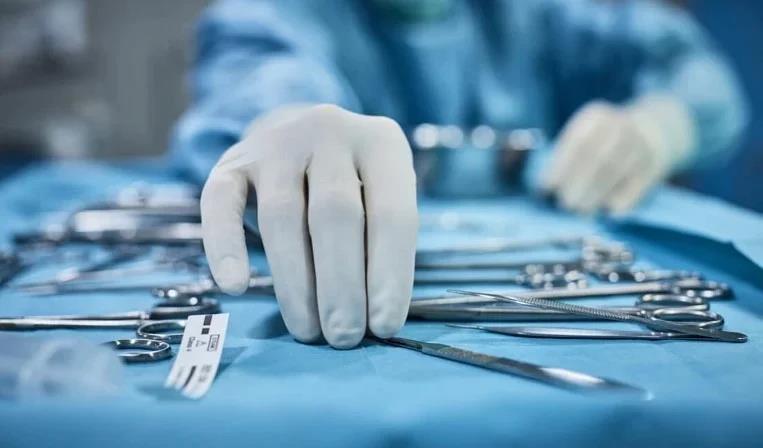
Tác động xấu của chất lượng nước kém
Tạp chất nước có thể ảnh hưởng xấu đến việc xử lý thiết bị y tế, bao gồm:
Phản ứng bất lợi với sản phẩm:
Ăn mòn, rỗ, cạo
Tích lũy sinh khối
Tăng tải vi sinh vật hoặc nội độc tố
Ảnh hưởng xấu đến quá trình:
Giảm tác dụng của chất tẩy rửa
Sự xuống cấp của hệ thống nước (bụi bẩn sinh học hoặc quy mô)
Phản ứng bất lợi đối với bệnh nhân:
Nhiễm trùng
Độc tính
Người xử lý vô trùng nên nhận thức được các vấn đề về chất lượng nước có thể gây ra các sự kiện bất lợi cho bệnh nhân và chú ý đến một số chỉ số tổng thể có thể có các vấn đề về chất lượng nước.
ANSI/AAMI ST108 là gì?
ANSI/AAMI ST108: 2023 là tiêu chuẩn đồng thuận mới của ngành để lựa chọn chất lượng nước, kiểm tra và giám sát cần thiết cho việc tái xử lý thiết bị y tế và dụng cụ phẫu thuật. Sự khác biệt và cập nhật chính với TIR34 bao gồm:
Yêu cầu cơ sở thành lập một nhóm đa ngành chịu trách nhiệm về các dự án quản lý chất lượng nước và nước
Loại chất lượng nước mở rộng đến hơi nước
Thiết lập tiêu chuẩn chất lượng nước chứng nhận hiệu suất hệ thống mở rộng
Yêu cầu giám sát chất lượng nước thông thường cho các hệ thống sản xuất nước và các điểm sử dụng trong các ngành
Thể loại Thiết bị y tế Xử lý chất lượng nước
AAMI ST108 định nghĩa ba loại chất lượng nước để xử lý thiết bị y tế:
Nước công cộng - nước máy, nước có thể cần xử lý thêm
Để rửa, rửa và rửa các thiết bị y tế
Nước quan trọng - Nước được xử lý rộng rãi để đảm bảo loại bỏ vi sinh vật, vô cơ và các chất hữu cơ
Để xả cuối cùng hoặc tạo hơi nước
Hơi nước - Được làm nóng bằng nồi hơi hoặc máy phát hơi nước cho đến khi nước thay đổi từ pha lỏng sang pha khí. Hơi nước có thể được cung cấp từ một vị trí trung tâm trong bệnh viện, chẳng hạn như một nhà máy nồi hơi, hoặc nó có thể được tạo ra thông qua một máy phát hơi nước bên trong tủ tiệt trùng.
Khử trùng cho thiết bị y tế
Các bộ phận và cơ sở xử lý vô trùng nên thực hiện AAMI ST108 như thế nào?
Bộ phận xử lý vô trùng và nhóm cơ sở bệnh viện nên thực hiện bốn bước để đạt được chất lượng nước quan trọng.
Đánh giá chất lượng nước
Nước máy từ các nguồn tiện ích công cộng nên được phân tích bởi một cơ sở được chứng nhận có chuyên môn về chất lượng nước để xác định xem có cần xử lý hay không và loại xử lý nào là cần thiết.
Kế hoạch xử lý nước
Nếu cần xử lý, nhân viên phải đảm bảo thực hiện các quy trình xử lý để cung cấp chất lượng nước phù hợp với nhu cầu xử lý thiết bị y tế.
Đảm bảo chất lượng nước
Nước được sử dụng trong khu vực tái xử lý thiết bị y tế phải được kiểm toán để xác định xem chất lượng nước của thiết bị được xử lý ở từng khu vực có đạt chất lượng nước chính xác hay không. Nếu không, phương pháp xử lý nước nên được điều chỉnh theo yêu cầu.
Giám sát chất lượng nước liên tục
Khi có thể, các quy trình giám sát thường xuyên và liên tục cần được thiết lập để đảm bảo chất lượng nước sau khi xử lý phù hợp để tái xử lý thiết bị y tế. Nhân viên bảo trì nước và nhân viên tái chế thiết bị nên giao tiếp hiệu quả để đảm bảo hành động khi phát hiện chất lượng nước kém.
Bài viết cuối cùng:Các loại nước tinh khiết khác nhau cần thiết cho phòng thí nghiệm: Những điều bạn cần biết
Bài viết tiếp theo:WTW inoLab ® Máy phân tích chất lượng nước Multi 9630 IDS